Emergency vaccinations - Doctors Without Borders
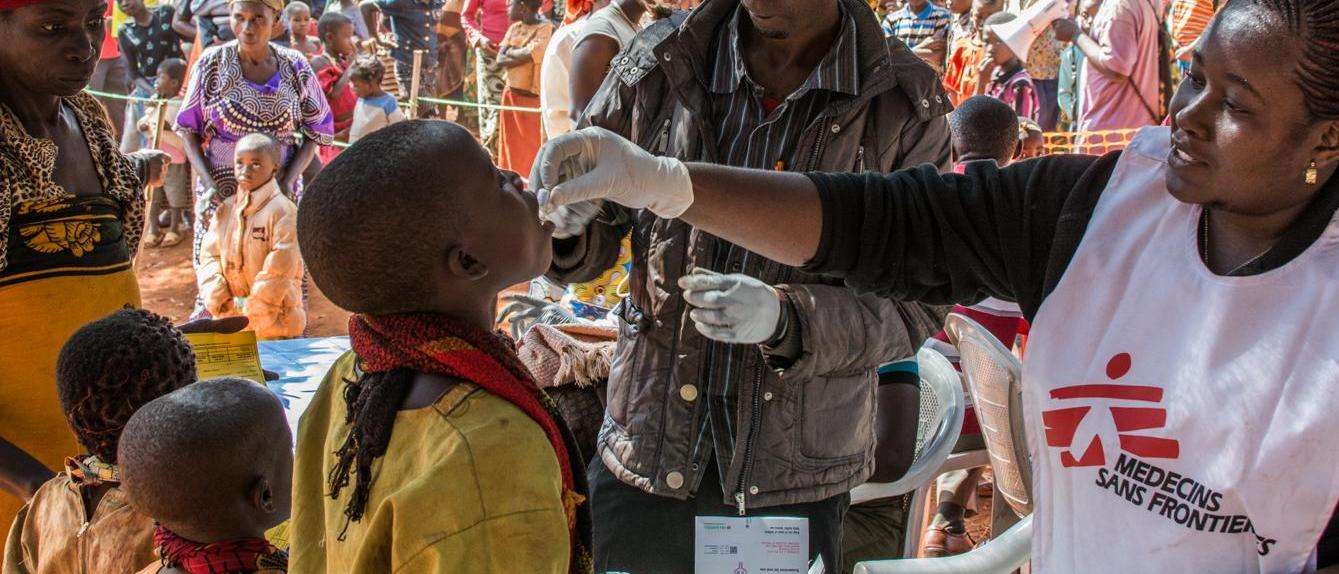
The key to ending this outbreak was informing and engaging with the community, reducing the stigma associated with Ebola, providing care closer to where people lived, and adapting aid to what people identified as their most urgent health needs. Once they felt more involved in the Ebola response, they were more likely to trust the vaccine
During DRC's eleventh outbreak, centered in Équateur province, MSF supported community-based outreach and care that complemented vaccination efforts led by other partners. This time, the outbreak was brought under control within five months. Having a licensed Ebola vaccine was critical, but only as part of a more comprehensive approach.
Reaching more people
Since first responding to cholera epidemics in sub-Saharan Africa in the 1980s, MSF has been one of the lead organizations working to prevent and treat the disease. Cholera outbreaks happen in many of the settings where we operate, including remote villages, overcrowded cities, refugee camps, and conflict zones. These are all places where clean water and proper sanitation services can be extremely limited.


Comments
Post a Comment